Workplaces hardly ever strategy to test their emergency systems on a negative day, yet that is precisely when they matter. A great fire warden steadies the room, reviews the risks, and gets people relocating. The formal training behind that calm is structured, examined, and nationally acknowledged in Australia through devices like PUAFER005 and PUAFER006. Whether you are building an emergency control organisation in a high-rise or standing up a little team for a local storage facility, the appropriate program develops judgment, not just knowledge.
What the job really resembles on the ground
Titles https://travisdeqn214.huicopper.com/fire-warden-training-typical-blunders-and-how-to-prevent-them can make it sound ritualistic, yet a fire warden lugs practical duties that start well prior to an alarm system. Everyday, you inspect exits, expect obstructed egress courses, and note that needs assistance during a relocation. When an incident begins, you verify the sharp, connect directions without inflaming panic, and sweep your zone. After the all-clear, you help with headcounts and reports, and you push for any kind of modifications that would make the next feedback smoother.
In bigger sites, the emergency control organisation rests on a simple pecking order. Wardens run areas or floors, a chief warden works with the feedback, and a deputy steps in as required. Communications circulation in both directions. A principal desires three things promptly: what is taking place, that is affected, and what challenges stand in the method of a discharge or lock-in-place technique. An experienced warden knows exactly how to give that in crisp language.
Where PUAFER005 fits
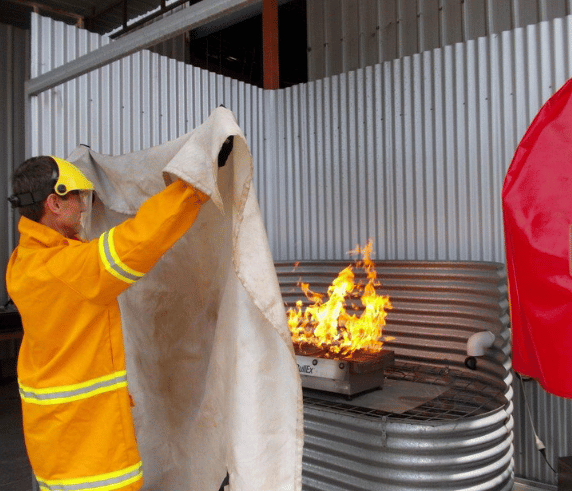
PUAFER005, officially entitled Run as component of an emergency situation control organisation, is the usual starting factor for wardens. The device teaches wardens to run within the website's emergency situation treatments, which are normally built from AS 3745 Preparation for emergencies in centers and, for healthcare, AS 4083. You learn your regional format, the incident types more than likely to occur, interaction protocols, and useful activities like deploying a fire covering, separating tools, or routing a person with reduced mobility to a refuge.
Competence is not just recall of steps. The analysis expects you to show secure, legal action in a substitute or genuine setting. That can consist of identifying an alarm system kind, making a public address statement, taking care of a tiny group toward exits, and reporting to the chief warden with the best details in the best sequence.
From experience, the toughest PUAFER005 courses stay clear of death-by-PowerPoint. They position you in a sensible situation with noise, time stress, and missing out on info, after that they debrief hard. You remember what you do, not what you read.
Where PUAFER006 fits
If you are entrusted to lead throughout an occasion, PUAFER006 Lead an emergency control organisation builds on the warden skillset. This is the chief warden course, designed for those who will run the event until emergency solutions take control of. You find out to interpret incomplete information, select the safest approach, allot wardens to jobs, control communications, and make the call to leave, sanctuary, or partially move owner groups.
Chief warden duties include starting and controlling the reaction, liaising with first responders, handling rises, tracking head counts, and deciding when to end the action. In practice, the chief fire warden is likewise the one who believes two actions in advance about additional dangers and service connection after the prompt danger has passed.
Good PUAFER006 training drills judgment. In a real incident, alarms are often wrong, detectors fail, and people get hold of coats. The chief needs to surpass the script, use the plan to messy reality, and maintain everybody aligned.
Fire warden training demands and currency
There is no solitary guideline that fits every market, yet several concepts hold. Organisations normally nominate and educate enough wardens to cover every busy zone throughout running hours, including changes and leave. A rough standard is one warden per defined area or per 20 to 50 passengers, readjusted for design and danger account. High fire tons, public gain access to, or complex egress courses warrant even more wardens.
Training needs to be site-specific. Generic course web content assists, however the crucial consider an emergency is experience with your structure and individuals. The strongest programs incorporate a country wide recognised warden course with website inductions, practical evac drills, and regular refreshers.
Competency money usually adheres to a 1 to 2 year cycle. Numerous insurance companies and regulators anticipate annual exercises at minimum, with formal re-assessment in two years or faster if the site or personnel modifications significantly. Principal wardens take advantage of even more constant technique. A brief fifteen-minute drill each quarter beats a long theoretical session as soon as every 3 years.
What you will certainly discover, past the brochure
A program summary lists interaction treatments, discharge principles, and fundamental very first reaction strategies. The genuine worth comes from functional application, context, and judgment. Wardens ought to be comfortable with:
- Recognising alarm system stages and understanding local panel indications, consisting of fault and isolate conditions. Directing motion under anxiety, consisting of how to utilize voice and body movement to puncture sound and hesitation. Identifying those that require aid, such as wheelchair customers or people with sensory sensitivities, and using pre-planned techniques for secure discharge or refuge. Reporting info succinctly utilizing approved formats, for example place, type of hazard, smoke involvement, variety of individuals, and impediments.
Chief wardens add decision-making under unpredictability, charging and tracking wardens, strategy changes when problems transform, and regulated intermediary with exterior responders. Expect to practise prioritising a life hazard over home, choosing between full and staged evacuation, and handling contradictory inputs coming in over radio, phone, and face to face.
Assessment: what a proficient warden appears like theoretically and in practice
Assessment for PUAFER005 and PUAFER006 have to show that you can use knowledge in sensible problems. RTOs utilize scenario-based performance tasks. For wardens, this might involve receiving an alarm, examining your location, aiding an owner, interacting a record, and completing post-incident documentation. For primary wardens, assessors look for command existence, clear tasking, method selection, communication technique, and safe discontinuation of the incident.
Written parts often cover legislative context, roles and duties within the emergency situation control organisation, alarm system kinds, and evacuation principles. Practical components need to consist of radio usage, PA statements, and a simulated emptying move. The much better carriers develop complexity into scenarios, such as an obstructed exit, a no-lift policy for mobility-impaired persons, or a headcount variation that compels a re-check.
Do not be stunned if an instructor stops a circumstance to go over a decision. The purpose is learning first, compliance secondly. The debrief should ask what info you had, what you presumed, and what you will do differently next time.
Fire warden needs in the workplace
A practical program begins with danger analysis. You map flooring formats, stairwells, sanctuaries, setting up areas, and alternative routes. You log the population: workers, visitors, professionals, and any kind of regulars who may need assistance. You consider the hazards: fuel tons, lithium battery storage, warm job, kitchen areas, web server rooms, plant rooms, and the age or construction of the building.
From there, you make your emergency situation control organisation. You appoint wardens for each zone and shifts, mark a chief warden and deputies, and assign tools. Modern method avoids depending on a bachelor, so develop redundancy. Revolve duties in drills to grow depth.
Policy matters as well. Clear rules concerning using lifts, protecting doors, shelter in position during external hazards, and when to come back the building prevent improvisation in the wrong direction. Procedures ought to be brief, specific, and linked to duties, not unclear narratives.
Hat colours and identification
Colours aid identify roles during an emptying. Conventions vary by sector and area, however in many Australian work environments wardens use red and the chief warden uses white. The typical shorthand is red for wardens, white for chief warden and deputy, and occasionally yellow for interactions or emergency treatment functions. Some websites utilize helmets, others utilize caps, vests, or tabards. If your work environment utilizes safety helmets, the chief warden hat colour is generally white. Where the inquiry is framed as what colour helmet does a chief warden wear, the safe answer is white in numerous systems, but follow your site's documented scheme. Consistency beats practice, and every owner must understand the visual cues utilized on site.
Building the best training blend: classroom, drills, and website specifics
A reliable program blends official units with site-based technique. The nationwide units supply usual language and assessment rigor. Site drills turn that right into muscular tissue memory. Begin with a PUAFER005 course for wardens and PUAFER006 for primary wardens, after that include targeted sessions on your structure: how the fire indication panel behaves, stair pressurisation, door hold-open gadgets, manual phone call points, and any plant isolation Hop over to this website actions your team may need to start under instruction.
Two short drills a year are far better than one grand occasion that nobody bears in mind. Revolve scenarios. One quarter, run a partial discharge on degree three with an obstructed key departure. Another quarter, examination after-hours procedures with a skeleton group. Usage observers to note traffic jams and capture timings from alarm to first motion, and from initial motion to clear stairwells.
PUAFER005 training course: what to anticipate and how to prepare
A normal PUAFER005 course runs half a day to a complete day relying on the provider and just how much site integration happens. Expect a mix of theory and simulation. Trainers cover the emergency control organisation, functions and duties, alarm system types, evacuation paths, interactions, and basic first action actions. They will likely include a functional component including a move, a record to the chief warden, and a debrief.
Preparation aids. Stroll your area a day prior, check leave signage and doors, and keep in mind any type of visibility issues. If your office has persons calling for help, recognize the prepare for them. Bring your site procedures if allowed. Throughout the course, deal with radios and PA announcements as skill sessions, not explanations. Clear voice, brief sentences, and self-confidence under stress are learned, not gifted.
PUAFER006 course: relocating from doer to leader
The PUAFER006 course usually runs a complete day. The content shifts from task implementation to leadership and coordination. You will certainly practise obtaining reports, choosing an action method, alloting wardens, and upgrading emergency situation services. Fitness instructors typically mimic details overload, conflicting reports, and unexpected complications. The analysis looks for structured decision-making and controlled communication, not heroics.
To get the most from chief warden training, get here with your site's specifics in mind. Know where the fire indicator panel is and which zones map to which floorings. Understand setting up locations and their ability. Analyze contingencies such as an obstructed main assembly location due to wind or traffic, and a discharge that consists of site visitors who do not know the structure. Bring your deputy or successor ideally, so you construct shared psychological models.
Certification and recognition
On effective completion of PUAFER005 or PUAFER006 with a Registered Training Organisation, you obtain a Statement of Accomplishment noting the pertinent unit. That certificate is nationally recognised. Maintain digital and paper copies, and track expiry or refresher days for your group. Some markets maintain added signs up or site induction cards showing warden status.
Certification signals competency, yet it is not a shield against degeneration. Personnel churn, renovations, plan modifications, and new risks wear down performance. Treat the certification as a starting line. If something changes materially on site, run a brief targeted exercise.
Fire warden course distribution modes and the trade-offs
Face-to-face training provides the wealthiest simulation, specifically when delivered on website. Instructors can incorporate your building's traits and run drills in the real atmosphere. Off-site class training helps foundational knowledge, but it sheds the benefit of place-based knowing. Combined knowing can function: concept online, brief functional sessions on site. The risk with pure online shipment is overreliance on recall and underdevelopment of sensible communication and leadership.
Shift job makes complex presence. Think about shocking sessions, or choose relief wardens for each and every change. Remote or multi-site organisations might centralise chief warden training and decentralise warden training, with a common exercise calendar to keep everybody aligned.
Common mistakes I see, and just how to stay clear of them
Many organisations stop at a plan paper and a certificate. They do not rehearse. When the alarm system goes, radios squeal, messages are garbled, and somebody strolls towards the smoke to examine it out. An additional frequent problem is a strategy that assumes ideal globe conditions. During a genuine discharge, doors might refuse to shut, stairwells might feel jampacked, and a person will certainly try to bring a bag or coffee. Your training must expect human habits and rubbing, not neglect it.
A 2nd error is uncertain authority. If owners do not recognize to adhere to wardens, or if supervisors override instructions, the feedback pieces. A brief briefing for all staff after each drill, restating that does what, pays dividends.
Finally, mobility planning is usually also obscure. Designate a buddy or group to each person needing assistance, settle on a technique, and practise it. If your structure has refuges, see them. Know the path, the door swing, and the intercom.
Choosing a provider
Pick an RTO that educates both PUAFER005 and PUAFER006, has fitness instructors with real event experience, and wants to integrate your site procedures. Ask exactly how they evaluate sensible abilities, how large the class will certainly be, and whether they bring radios and method right into the room. Great carriers customize scenarios to your risks, not just the generic workplace fire.
If your website has particular hazards like battery energy storage space systems, information facility reductions, or dangerous chemicals, tell the company. They should adapt content so wardens understand what a gas flooding system alerting means, or how to separate an item of plant securely within their role.

Roles, hats, and communication discipline
Identification is only part of the challenge. The real glue is communication technique. Maintain channels clear. Use telephone call indications if your site assigns them. Talk in other words ruptureds, state your place initially, then the problem, after that the action. Principal wardens ought to resist the urge to narrate. Ask for standing records by zone, offer choices simply, and sum up periodically.
For physical identifiers, ensure your fire warden hats, caps, or vests are kept where they are easy to get hold of and fit. Gradually, labels fade and numbers peel off. Examine quarterly. If your site utilizes a chief warden hat or headgear, maintain it on a hook near the panel, not buried in a drawer.
Integrating initial action devices without goal creep
Wardens are not firefighters. The line is simple: if it is safe, you might make use of a fire extinguisher or blanket to control a small incipient fire, however you never ever placed yourself in between the fire and your exit. Training needs to cover coordinating extinguisher kind to danger and the PASS technique. A good course will compel a choice factor: abandon the assault and return to evacuation coordination if the fire does not react promptly or conditions change.
Beware mission creep during drills where positive team remain to have fun with tools. Set expectations early. Life safety precedes, and the warden's prime obligation is people movement and info flow.
Documentation and continuous improvement
After every drill or incident, capture timings, challenges, and suggestions. Keep it brief and particular. If a door dragged, log the door and flooring. If evac chairs were sluggish to deploy, set up a practice. If a headcount system stopped working because paper lists were dated, deal with the process or transfer to an online lineup linkage. Over a year, 3 small improvements can halve emptying time.
In regulated environments, your paperwork sustains conformity and insurance coverage. Extra notably, it develops organisational muscle mass memory. The chief warden ought to evaluate searchings for with wardens and administration, assign activities, and shut them out before the following exercise.
Typical questions that show up in training
People inquire about lifts, pets, weather, and coffee. Elevators are generally out for fire evacuations, however examine your structure's fire solution lift treatments and do not improvise. Family pets are best attended to in plan before the day. Weather condition can be a genuine issue; designate alternate assembly factors and connect them. When it comes to coffee and bags, prepare for it. A clear guideline at the beginning of a discharge, leave personal belongings behind, reduces delays.
Another recurring inquiry is the fire warden hat colour. Keep it consistent with your plan and educate it during inductions. Chief warden hat colour is commonly white, wardens red. If your plan varies, post a visual in common areas.
Bringing everything together: a functional pathway
- Nominate functions and map zones, consisting of chief warden, replacements, and relief wardens for shifts. Enrol wardens in PUAFER005 and chief wardens in PUAFER006, with site-specific integration where possible. Run a website induction for wardens that covers format, tools, and treatments, then timetable at the very least two drills a year with different scenarios. Maintain identifiers, radios, and paperwork, and review after each exercise with clear rehabilitative actions. Refresh competency on a 1 to 2 year cycle, or quicker when site changes or team turn over need it.
Final ideas from the field
Great wardens are made via practice and clearness. The best chief wardens I have dealt with were not the loudest; they were the most consistent. They asked for the best info, made prompt decisions, and took care of their groups. Programs like PUAFER005 and PUAFER006 offer the framework and confidence to act, however the edge comes from living the plan in your structure. When the alarm system appears and heads swivel, a qualified, rehearsed warden group is the difference between confusion and organized activity. That is the silent goal of every warden course, and it deserves doing well.
Take your leadership in workplace safety to the next level with the nationally recognised PUAFER006 Chief Warden Training. Designed for Chief and Deputy Fire Wardens, this face-to-face 3-hour course teaches critical skills: coordinating evacuations, leading a warden team, making decisions under pressure, and liaising with emergency services. Course cost is generally AUD $130 per person for public sessions. Held in multiple locations including Brisbane CBD (Queen Street), North Hobart, Adelaide, and more across Queensland such as Gold Coast, Sunshine Coast, Toowoomba, Cairns, Ipswich, Logan, Chermside, etc.
If you’ve been appointed as a Chief or Deputy Fire Warden at your workplace, the PUAFER006 – Chief Warden Training is designed to give you the confidence and skills to take charge when it matters most. This nationally accredited course goes beyond the basics of emergency response, teaching you how to coordinate evacuations, lead and direct your warden team, make quick decisions under pressure, and effectively communicate with emergency services. Delivered face-to-face in just 3 hours, the training is practical, engaging, and focused on real-world workplace scenarios. You’ll walk away knowing exactly what to do when an emergency unfolds—and you’ll receive your certificate the same day you complete the course. With training available across Australia—including Brisbane CBD (Queen Street), North Hobart, Adelaide, Gold Coast, Sunshine Coast, Toowoomba, Cairns, Ipswich, Logan, Chermside and more—it’s easy to find a location near you. At just $130 per person, this course is an affordable way to make sure your workplace is compliant with safety requirements while also giving you peace of mind that you can step up and lead when it counts.